Unpredictable weather is a normal part of hiking, and cloudy skies often raise concerns about solar charging. Many outdoor trips rely on powered devices for navigation, photos, lighting, and emergency communication. When sunlight looks weak, it is natural to wonder whether carrying solar gear is still worthwhile. Modern portable solar equipment is more adaptable than many people expect, even in less-than-ideal conditions. Understanding how panels behave under cloud cover helps hikers plan realistically and avoid disappointment. In this article, practical guidance explains how solar generators perform on cloudy hikes and how to make the most of limited sunlight.
1. Solar Panels Still Work in Cloud Cover
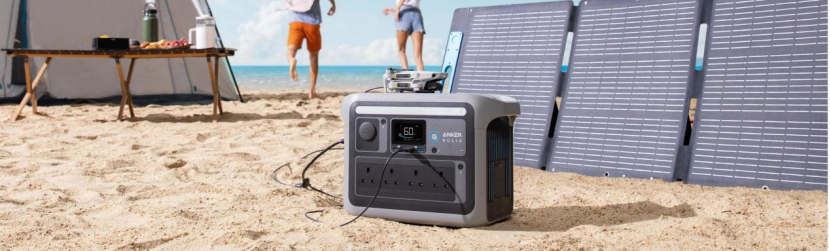
Solar panels do not shut down completely when clouds roll in, because they can still capture diffused sunlight passing through the cloud layer. Output is lower than under direct sun, but steady trickles of energy can continue throughout the day. Portable solar generator systems that pair panels with a battery station make this low-level charging more useful by storing energy gradually for later use. Some options, including units from the Anker Solix generator solar range, are designed for outdoor mobility and can collect and hold energy whenever light is available. This kind of setup fits naturally into hiking routines where gear rests in open areas during breaks. Even on gray days, slow but consistent charging can add meaningful backup power over several hours.
2. Optimize Your Setup for Low Light
Use High-Efficiency Monocrystalline Panels
Not all solar panels perform the same under reduced sunlight, so panel type matters on cloudy hikes. Monocrystalline panels are known for better efficiency compared to older polycrystalline designs. Higher efficiency means more electricity can be produced from the same amount of available light. This difference becomes more noticeable when sunlight is filtered by clouds. Lightweight folding versions make it practical to carry these panels in a backpack. Choosing efficient panels improves overall performance without adding much extra weight.
Keep Panels Clean and Angled Toward the Sky
Under cloudy conditions, every bit of available light counts, so panel placement becomes even more important. Positioning panels so they face open sky rather than tree cover helps maximize exposure to diffused light. Laying panels flat on the ground may be convenient but usually reduces how much light reaches them. Propping them at an angle toward the brightest part of the sky can improve charging results. Wiping off moisture, dust, or dirt ensures nothing blocks the surface. Small adjustments like these can noticeably improve energy collection on overcast days.
3. Adopt a Smart Charging Strategy
Pre-Charge Your Power Station Fully
Cloudy hiking days should not be the only source of power for a trip. Starting with a fully charged power station provides a dependable energy reserve. Solar charging during the hike can then extend that reserve rather than replace it entirely. This approach reduces stress about weather conditions and allows more flexibility in device use. Checking battery levels before departure ensures the system begins at maximum capacity. A strong starting charge turns cloudy-day solar input into a helpful bonus rather than a necessity.
Use Breaks to Trickle-Charge, Not Run Devices
During rest stops, it is tempting to plug devices directly into the solar setup, but this can waste limited energy. Letting panels focus on slowly recharging the main battery is usually more efficient. Stored energy can then be used later when devices truly need charging. Setting panels out during lunch breaks or scenic stops takes advantage of time when the pack is already off. This habit builds small energy gains throughout the day. Over hours of hiking, these incremental charges add up.
4. Conserve Your Available Power
Only Charge Essential Devices Like Phones
On cloudy hikes, energy should be treated as a limited resource. Phones used for navigation and communication deserve priority over less critical electronics. Charging only essential devices prevents draining stored power too quickly. Cameras and other gear can often wait until conditions improve or until returning to camp. Making these choices early helps avoid difficult decisions later in the trip. Careful prioritization keeps key tools ready for when they are truly needed.
Avoid Using High-Demand Appliances
High-wattage devices such as portable kettles or electric cooking gear are rarely practical on cloudy hiking days. These appliances can empty a battery much faster than panels can recharge it under weak light. Focusing on low-power electronics extends the usefulness of stored energy. Simple alternatives, like insulated food containers instead of electric heaters, reduce demand. Matching device use to available charging conditions improves overall efficiency. Thoughtful restraint helps the solar setup support the entire trip.
5. Always Bring a Backup Power Source
Carry a Fully Charged Power Bank
Even the best solar setup can struggle during long periods of heavy cloud cover. A compact power bank carried in a backpack provides an extra layer of security. It can recharge a phone or GPS device if the main battery runs low. Keeping this backup fully charged before the hike ensures reliable emergency power. Lightweight designs make it easy to carry without affecting comfort. This redundancy adds confidence when weather conditions are uncertain.
Use Device Battery-Saving Modes
Battery-saving features built into modern electronics are especially valuable on cloudy days. Lowering screen brightness and limiting background apps can significantly reduce energy use. Turning off wireless features like Bluetooth or Wi-Fi when not needed also extends runtime. These small changes can double the usable time of some devices. Over the course of a hike, saved energy can mean the difference between a working phone and a dead battery. Smart settings adjustments make limited power last much longer.
Conclusion
Solar generators can still play a useful role on cloudy hikes when expectations are realistic and habits are adjusted. Panels continue to collect diffused light, providing slow but steady charging throughout the day. Efficient setup, careful device use, and smart charging routines help stretch every bit of energy. Starting with a full battery and carrying backups adds extra reliability in uncertain weather. Rather than replacing preparation, cloudy-day solar charging works best as part of a broader power strategy. With thoughtful planning, even overcast adventures can stay connected and powered safely.