Introduction
An Apple Watch is an essential tool for staying connected and managing day-to-day activities. However, understanding how long it takes for the device to turn back on from a completely drained state is vital for managing expectations. This guide explores typical startup times, factors affecting those durations, and strategies to optimize the watch’s performance.

Understanding the ‘Dead’ State of Your Apple Watch
The term ‘dead’ for an Apple Watch typically refers to a fully drained battery with no remaining charge. Several factors can cause this state, including prolonged activity without charging or running high-demand apps. Recognizing a dead state helps in addressing any startup delays effectively.
While each Apple Watch model may have its own variance, users generally experience some delay from a dead state to full operational status. Understanding these differences across models helps in keeping track of expected performance.
How Long Does It Take for Different Apple Watch Models to Turn On?
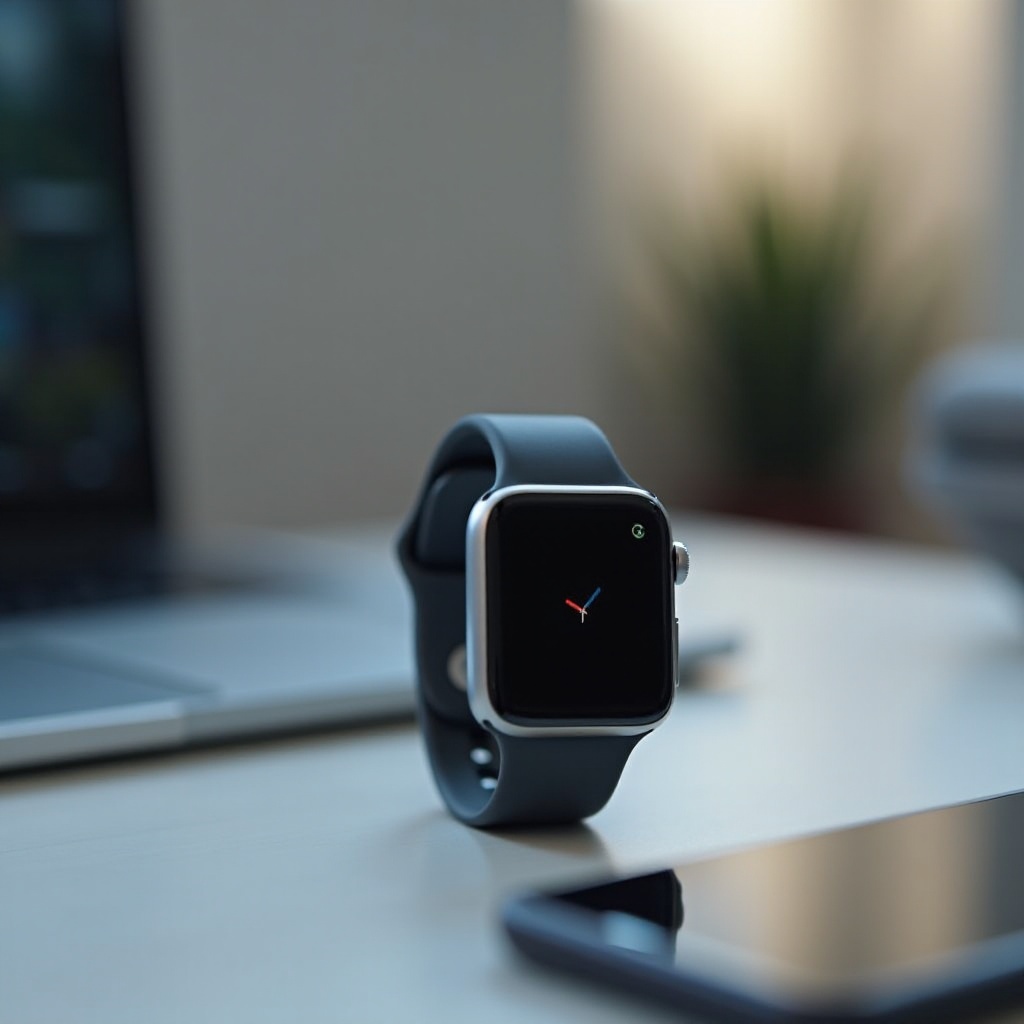
After reconnecting a dead Apple Watch to a charger, the time it takes to power back on varies based on model and condition.
- For Apple Watch Series 3 and earlier, expect up to 5 minutes.
- Series 4 to 6 generally range from 3 to 4 minutes.
- Series 7 and newer can power up within 2 to 3 minutes.
These times are influenced by several factors. Battery health plays a significant role; a well-maintained battery reduces wait times. Furthermore, environmental factors such as temperature affect charging efficiency and overall startup performance.
Tips to Optimize Startup Time from a Dead State
Maintaining efficient startup processes is crucial for optimal Apple Watch performance. Here are strategies to help achieve this:
- Use Original Chargers: Ensure that you’re using an Apple-certified charger for your device.
- Software Updates: Keeping your watchOS current brings performance improvements that can lead to faster startup times.
- Adjust Settings: Modify settings such as disabling ‘Hey Siri’ or unnecessary background app refresh to reduce power demand.
- Healthy Charging Habits: Avoid depleting the battery completely. Regularly let the watch go through a full charge cycle to preserve battery health.
Implementing these tips not only minimizes startup times but also enhances the device’s overall efficiency, keeping it reliable for everyday use.
Troubleshooting Common Startup Delays
Should delays persist beyond standard expectations despite employing good practices, consider these troubleshooting steps:
- Reboot Your Device: Force restart by pressing and holding the side button and Digital Crown until the Apple logo appears.
- Check Your Power Source: Verify your charger is functional by testing it with another device. Ensure all connections are secure and free from debris.
Persistent issues might require consulting an authorized service center or Apple Support for detailed diagnostics. Consistently applying these practices ensures optimal functionality and performance.
Future-Proofing Your Apple Watch for Better Performance
Guaranteeing a robust Apple Watch experience involves regular upkeep and forward-thinking maintenance:
- Keep It Clean: Regularly clean charging ports and connectors to ensure excellent electrical contact.
- Monitor App Usage: Evaluate apps and keep only those necessary, updating them to ensure smooth operation.
- Appropriate Storage: Protect your watch from extreme temperatures to prevent battery damage.
By following these guidelines, you can enhance your Apple Watch’s reliability and extend its lifespan, remaining a dependable tool in your digital arsenal.
Conclusion
While waiting for an Apple Watch to restart from zero power might appear daunting, understanding its workings provides clarity. By adopting effective charging routines and regular maintenance, you can empower your Apple Watch for optimal performance. Embrace these insights and you will enjoy a longer-lasting and highly efficient device.
Frequently Asked Questions
Why does my Apple Watch take longer to turn on than expected?
Battery health, non-certified chargers, and software issues may extend startup times. Using certified chargers and updating watchOS can help.
Can using non-Apple chargers influence the startup time?
Yes, using non-Apple chargers may result in voltage inefficiencies and longer startup times, potentially harming battery performance.
How can I test my Apple Watch’s battery health?
Access ‘Settings’ > ‘Battery Health’ on your Apple Watch to check its battery status and assess its capacity and performance.